How to Get the Most Out of Your Warlock's Patron (Without Derailing Your Campaign)

Are you sleeping on your warlock's eldritch sugar daddy? Missing out on the drama that comes with a genuinely devilish patron?
Too many DMs treat a warlock's patron like a free pass to magical shenanigans; a background flavor detail that never really shows up at the table. But being beholden to a powerful being with a questionable agenda should come with strings attached. And those strings are where the fun lives.
Done right, a patron brings juicy personal costs, compelling complications, and character dilemmas that get players deeply emotionally invested. You also get to show up at the table playing an actual demon, archfey, or eldritch horror... which is its own reward.
Done wrong, those same rich conflicts can derail party cohesion and erode trust in the DM. Here's how to get all the upside without the pitfalls.
Don't Be Shy About Getting the Patron Involved
Patrons are designed to be problematic — for the player. The Faustian bargain, the classic archetype behind the warlock pact, literally means making a deal with the devil. If your player chose the warlock class, their character desperately wanted power and was willing to sacrifice their freedom, morals, or even their soul to get it. That's an emotionally rich, character-driven story hook.
Here's the key thing to remember: the patron entered this bargain because they wanted something too. That's the cost the warlock pays. They owe an extremely powerful NPC a great deal. So when the warlock isn't holding up their end of the deal, or isn't spending enough time on what the patron wants accomplished, their otherworldly manager might just show up and say so.
A lot of storytellers hesitate here. Consider this your permission to bring the patron in more often, and even occasionally let them serve as the antagonist when the party isn't doing what they're being paid (in magic) to do. Patrons were designed to be both a power source and a cost. Lean into it.

Introduce the Patron Properly
Warlocks are often recommended for new players because they're mechanically straightforward. Defaulting to Eldritch Blast is far simpler than managing metamagic, and you're less likely to die at first level than a wizard. They also get to play a charisma character, which is just plain fun.
The downside is that new and experienced players alike often haven't given their patron much thought. They might not be expecting a powerful NPC to show up during downtime demanding an act of fealty.
The fix is simple: work with your player. Session 0 is the perfect time to ask questions. Why did their character accept the pact? What do they know (or think they know) about their patron? If your campaign is already underway, bring it up between sessions to set expectations.
Either way, make one thing clear: the patron is not an animal companion the player controls. They're a powerful NPC and a force in the world, one the warlock owes fealty to. Think less Pokémon, more feudal king.
That said, the patron is connected to the player's character, so their preferences matter. Let them inform the vibe: eldritch horror, nature-based, capricious fae, whatever fits. But make sure you have the latitude to bring the patron in when the story calls for it. Bringing their backstory into the foreground is something most players are genuinely excited about.
Also, be clear about any lines the player doesn't want the patron to cross. Communication is the foundation of great collaborative storytelling, and working out the patron dynamic before the first session — even through some play-by-post roleplay — can pay huge dividends at the table. World Anvil's RPG Campaign Management tools can make this kind of between-session interaction fun, and also ensure you don't lose track of the boundaries you've established.
Managing Inter-Party Conflict
The warlock made a pact with an unknowable, possibly malevolent entity. The rest of the party didn't. What if the paladin despises devils? What if the cleric's god has a long-standing grudge with archfey?
These sparks can be a great thing, and they can also completely derail your campaign. It depends entirely on how you handle them.
This is another area where session zero communication earns its keep. Take time to map out party alignments and allegiances. If the paladin is devoted to demon-slaying, a Fiend patron is going to be a source of ongoing friction, and everyone at the table should know that going in.
The key question to ask your group is: what kind of fun are we having?
In a lighthearted campaign, the patron can be a source of comedy. For example, poking at the party's designated do-gooder like Q from Star Trek: The Next Generation. In a grimdark campaign, the patron might lean hard into the tension, taunting the "good" members of the party or even trying to corrupt them.
One more thing: make sure the patron's presence doesn't crowd out other characters' stories. Spotlight everyone. This is actually a golden opportunity to explore how other players' backstories can drive drama, too. The patron's presence can ripple outward in ways that put everyone in the center of the story.
Pro Tips for Playing a Killer Patron
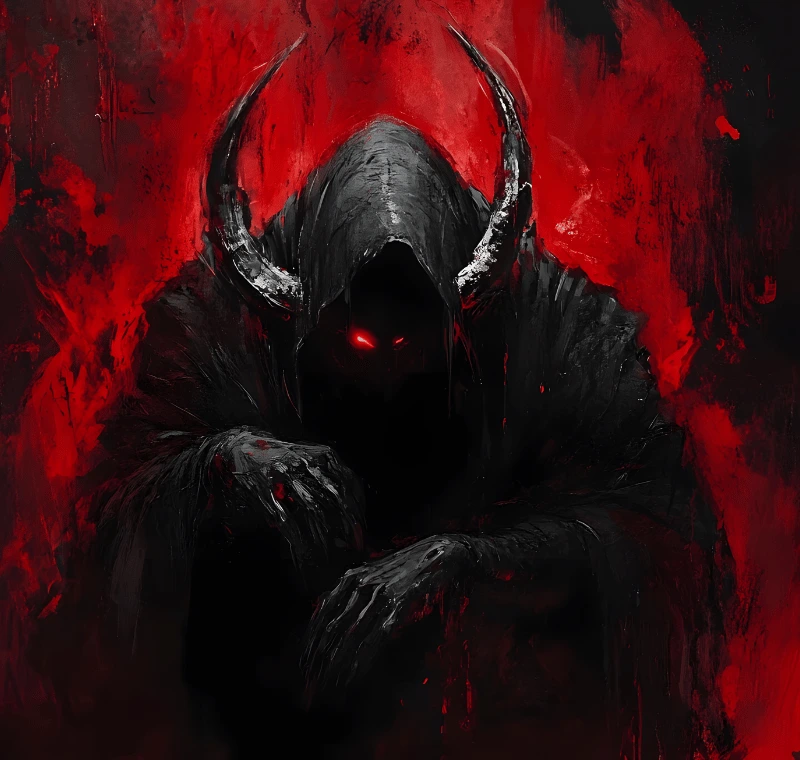
Here's the most enjoyable part: you get to embody a being of limitless arcane power who may also be a capricious, scheming diva.
Start with who they are and what they want, but don't let the PCs know. Depending on alignment, patrons might lie, manipulate, charm, or tell the truth when it serves them. Your players may not be able to tell the difference, and that ambiguity is delicious.
Give them a distinct personality. Patrons can range from barely intelligible eldritch horrors to suave devils to fae Mary Poppins figures who hand out candy and chidings in equal measure. Calibrate the vibe to your campaign's tone and what your player is excited about.
Leave a mark. Powerful entities notice who bears their brand. Make sure the patron leaves an indelible mark on your warlock. One that occasionally surfaces at shrines, when they encounter divine servants, or when they interact with certain kinds of magic. Sometimes it works in their favor; sometimes it doesn't. Either way, it's great show-don't-tell storytelling.
You don't need to show up every session. In fact, you probably shouldn't. But patrons don't have to physically appear to make their presence felt. Let them send omens, cryptic dreams, whispered warnings, or strange compulsions the players have to interpret. Passing notes at the table works brilliantly for this. Suddenly, only the warlock knows what their patron just told them, and everyone else has to wonder.
When in doubt, follow the patron's goal. If you're not sure what your patron would do next, remember: they're always pursuing their own agenda. Keep them aimed at that goal. Don't worry if it causes problems for the warlock. Problems are exactly where the story gets interesting.
Warlock patrons are one of the most underused storytelling engines in D&D. With a little communication, a clear sense of who the patron is and what they want, and the confidence to actually bring them to the table, you can transform a background character detail into one of the most memorable forces in your entire campaign.
And if you find yourself loving this kind of divine-being-as-story-engine approach, the same principles apply to clerics and paladins, too. The gods your party worships (or defies) are just as ripe for this treatment — but that's a whole other post.
Now go worldbuild.

Learn worldbuilding methods & storytelling techniques from World Anvil experts to level-up your next novel, original D&D campaign setting or other creative projects.
.png)

Popular articles

Become a World
Anvil member
.webp)